



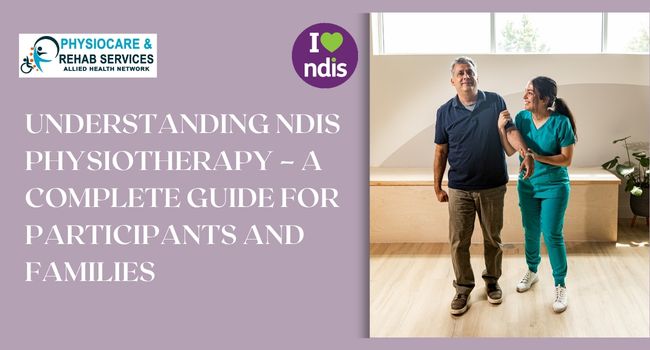
Physiotherapy plays an important role in helping NDIS participants improve physical function, manage pain, and achieve everyday goals. Whether someone needs support after an injury, assistance with mobility, or help managing a neurological condition, physiotherapy can make a meaningful difference.
The National Disability Insurance Scheme funds therapy supports that are considered “reasonable and necessary” for participants to improve or maintain independence and participation in daily life.
Who Can Access NDIS Physiotherapy?
NDIS-funded physiotherapy is available for participants whose disability impacts their physical function or mobility. This may include people living with:
- Cerebral palsy
- Autism Spectrum Disorder
- Stroke or acquired brain injury
- Parkinson’s disease
- Multiple sclerosis
- Spinal cord injuries
- Developmental delays
- Muscular dystrophy
- Chronic mobility conditions
How Does Physiotherapy Support NDIS Goals?
Every NDIS participant has individual goals. Physiotherapy helps participants work toward goals such as:
- Walking more safely
- Improving balance and coordination
- Increasing independence at home
- Reducing falls and injuries
- Participating in community activities
- Improving strength and endurance
- Managing pain and fatigue
What Happens During a Physiotherapy Session?
A physiotherapist will first complete an assessment to understand the participant’s condition, challenges, and goals. Based on this assessment, a personalised treatment plan is created. Sessions may involve exercises, mobility training, stretching, balance work, and education for participants and carers.
Can Physiotherapy Be Delivered at Home?
Yes. Many NDIS participants benefit from mobile physiotherapy services delivered at home or within the community. Home-based therapy can improve comfort, accessibility, and practical outcomes in everyday environments.
At Physiocare and Rehab Services, we proudly provide mobile physiotherapy services across Melbourne for NDIS participants, seniors, and community clients.
Why Early Physiotherapy Support Matters
Early intervention can help prevent complications, maintain mobility, and improve long-term quality of life. Physiotherapy is not only about rehabilitation — it also focuses on prevention, independence, and helping participants stay active and engaged in daily life.
Our NDIS Physiotherapy Services Include
- Neurological physiotherapy
- Falls prevention programs
- Rehabilitation therapy
- Mobility and balance training
- Strengthening exercises
- Home exercise programs
- Functional assessments
- Pain management support
Get Started with Physiocare and Rehab Services
At Physiocare and Rehab Services, we are committed to helping NDIS participants achieve their goals through personalised and compassionate physiotherapy care.
📞 Call us today: 0468 993 756
🌐 Visit: physiocareandrehabservices.com.au